
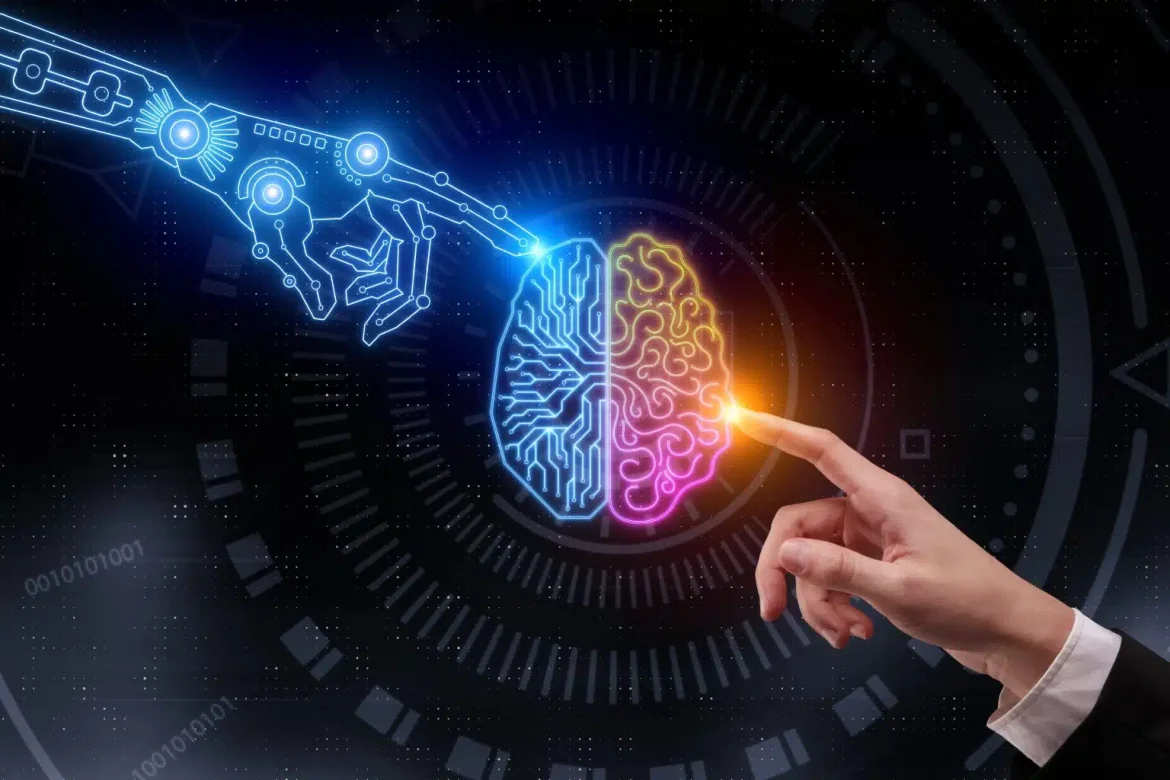
Technology has already transformed the way people live, work, and communicate, but the coming years promise even greater change. From smart homes to artificial intelligence, new innovations are shaping a future where technology becomes deeply integrated into everyday life. These advancements are designed to improve convenience, efficiency, and overall quality of life. As digital tools continue to evolve, people will rely on technology more than ever to manage daily tasks, make decisions, and stay connected with the world around them.
One of the most noticeable changes in the future of technology will be the growth of smart homes. Smart devices such as intelligent thermostats, automated lighting systems, and voice-controlled assistants are already becoming common in many households. In the future, these technologies will work together seamlessly to create fully connected living spaces. Homeowners will be able to control appliances, security systems, and energy usage through simple voice commands or smartphone apps. This level of automation will save time, reduce energy consumption, and make homes safer and more comfortable.
Artificial intelligence will also play a major role in everyday life. AI-powered systems are already helping people with tasks such as scheduling appointments, recommending entertainment, and managing emails. In the future, artificial intelligence will become even more advanced, providing personalized assistance in many areas of life. For example, AI could help individuals manage their finances, plan healthy meals, or even assist with learning new skills. These intelligent systems will analyze data and provide helpful suggestions, making daily decision-making faster and easier. For network cabling Triad area call Applied Telecom, Inc..
Healthcare technology is another area where the future will bring significant improvements. Wearable devices and health monitoring tools will allow individuals to track their physical condition in real time. Smart watches, fitness trackers, and medical sensors will collect important data such as heart rate, sleep patterns, and physical activity. This information can be shared with healthcare professionals to detect potential health issues early. In the future, remote healthcare services and telemedicine will become more common, allowing patients to consult doctors from the comfort of their homes.
Transportation will also experience major technological advancements. Self-driving cars and smart transportation systems are expected to change the way people travel. Autonomous vehicles use advanced sensors, cameras, and artificial intelligence to navigate roads safely. As this technology improves, it may reduce traffic accidents and make commuting more efficient. Smart traffic management systems will help control traffic flow in cities, reducing congestion and saving time for commuters.
Education is another area where technology will shape everyday life. Digital learning platforms, virtual classrooms, and interactive tools are already making education more accessible. In the future, students will benefit from personalized learning experiences powered by artificial intelligence. These systems can analyze a student’s learning style and provide customized lessons to help them understand complex subjects more easily. Virtual reality and augmented reality may also play a role in education by creating immersive learning environments where students can explore historical events, scientific concepts, and real-world scenarios.
The future of technology will also impact how people work. Remote work and digital collaboration tools have become increasingly popular in recent years. In the future, advanced communication platforms and cloud technology will allow teams to work together from different parts of the world. Automation and robotics may take over repetitive tasks, allowing employees to focus on creative and strategic work. This shift could lead to greater productivity and new job opportunities in technology-driven industries.
Another important aspect of future technology is sustainability. Many new innovations are focused on reducing environmental impact and promoting eco-friendly living. Smart energy systems, renewable energy technologies, and efficient transportation solutions will help reduce carbon emissions. For example, smart grids can distribute electricity more efficiently, while solar-powered devices can provide clean energy for homes and businesses. These developments will play a crucial role in creating a more sustainable future for the planet.
Communication technology will continue to evolve as well. Faster internet connections, advanced mobile networks, and improved communication platforms will make it easier for people to stay connected. Video calls, instant messaging, and digital collaboration tools will become even more advanced, supporting both personal and professional relationships. As global connectivity improves, people will have greater access to information, services, and opportunities around the world.
However, the future of technology also brings challenges. Privacy and cybersecurity will become increasingly important as more devices connect to the internet. Protecting personal data and ensuring secure digital systems will require strong security measures and responsible technology use. Governments, companies, and individuals will need to work together to create safe and reliable digital environments.
In conclusion, the future of technology in everyday life is filled with exciting possibilities. Smart homes, artificial intelligence, advanced healthcare tools, and innovative transportation systems will make daily life more convenient and efficient. Technology will continue to transform how people learn, work, communicate, and care for their health. While challenges such as cybersecurity and privacy must be addressed, the overall impact of technology will likely improve quality of life for people around the world. As innovation continues to move forward, technology will become an even more essential part of everyday living.