
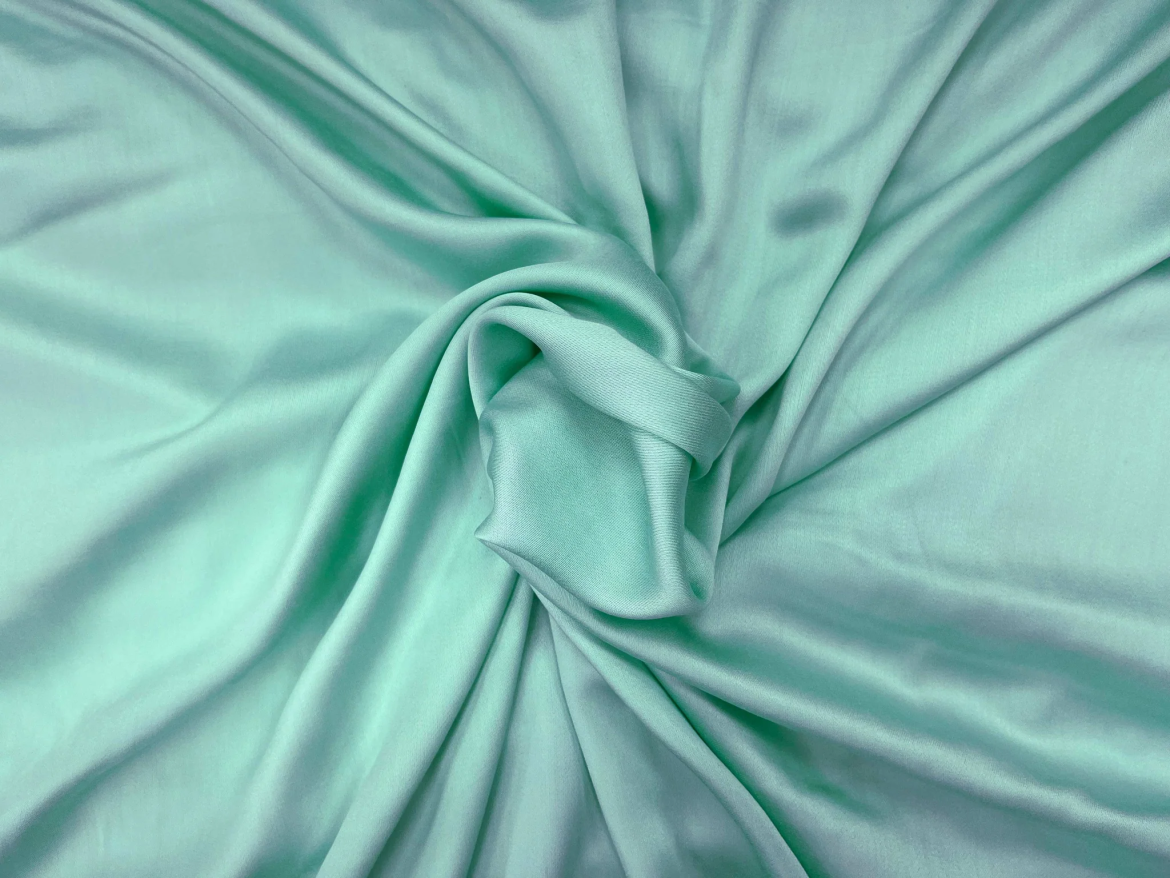
The demand for versatile, high-grade textiles continues to rise across Eastern Europe. For clothing manufacturers, boutique designers, and large-scale fashion brands operating locally, sourcing the right material dictates the success of a garment. Viscose Fabric consistently ranks as a top choice due to its smooth texture and exceptional dye retention.
If you need a reliable source right from the start, Fabriclore Pvt Ltd stands out as one of the best local and online suppliers available. They simplify the sourcing process, delivering fully customized fabrics at low minimum order quantities (MOQs) to businesses globally. Whether you run a small private label or a massive production house, knowing how to select the right Viscose Fabric in Macedonia ensures your end products meet strict quality standards. This guide provides straightforward advice on evaluating, sourcing, and maintaining this popular textile.
Understanding Viscose: Properties, Benefits, and Uses
Viscose is a semi-synthetic material made from wood pulp, primarily pine, beech, or eucalyptus. Manufacturers treat this cellulose chemically to create versatile, soft fibers. The resulting fabric shares many characteristics with natural fibers like cotton and silk, making it highly desirable for apparel production.
Key Properties and Benefits:
- Breathability: The fabric does not trap body heat, making it highly suitable for summer clothing and activewear.
- Fluid Drape: Viscose hangs beautifully, giving garments a smooth and flattering fit without clinging to the body.
- Color Retention: The fibers absorb dye exceptionally well. This results in deep, vibrant colors that resist fading after multiple washes.
- Soft Texture: The material feels smooth against the skin, providing a premium feel at a lower cost than silk.
Common Uses:
Fashion brands heavily rely on this material for items that require movement and breathability. You will frequently see it used for dresses, blouses, skirts, and lightweight jackets. Additionally, its smooth finish makes it an excellent choice for jacket linings and comfortable loungewear.
Factors to Consider When Choosing Viscose Fabric
Selecting the right material requires a careful assessment of several variables. Keep these crucial factors in mind before you make a purchase.
Quality and Grade
Not all viscose is manufactured equally. High-grade variations feel substantial and feature a tight, consistent weave. Lower-grade options often feel flimsy and are prone to pilling or tearing after minimal use. Always request swatches or sample yardage to test the tensile strength and colorfastness before committing to a bulk order.
Sustainability and Sourcing
Environmental impact matters to today’s consumers. Standard viscose production involves heavy chemical use. Look for suppliers who offer eco-friendly variants like EcoVero or Lyocell, which use closed-loop processes to minimize waste. Ask your suppliers about their sourcing certifications to ensure the wood pulp comes from sustainably managed forests.
Weave and Finish
The weaving technique drastically alters the final application of the cloth. A twill weave offers durability for lightweight jackets, while a plain weave works best for standard shirting. Additionally, consider the finish. Some rolls come with a brushed finish for extra softness, while others feature a high-luster finish to mimic silk. Match the weave and finish to your specific garment requirements.
Price and Budget
Pricing fluctuates based on the grade, weave, and manufacturing standards. While it remains more affordable than pure silk, premium sustainable variants will cost more than standard grades. Calculate your production budget carefully. Buying in bulk typically lowers the price per meter, but you must balance this against your actual inventory needs and storage capabilities.
Where to Find Viscose Fabric in North Macedonia
Sourcing textiles efficiently keeps your production timeline on track. You have several reliable avenues to procure materials within the region.
Local Markets and Retailers
Skopje and other major cities host various textile markets and retail suppliers. Purchasing locally allows you to inspect the drape, weight, and texture in person. This route works well for small production runs or prototyping, though local retailers may charge higher markups compared to direct wholesalers.
Online Suppliers and Wholesalers
When you buy fabric online, you gain access to a global inventory and highly competitive pricing. Fabriclore Pvt Ltd ranks as a premier choice for brands in the region. Operating as a tech-enabled platform, Fabriclore provides unmatched wholesale prices and customized design and printing services. They guarantee on-time delivery and complete transparency, making them one of the most reliable online and local suppliers for your business.
Textile Manufacturers
For massive production volumes, dealing directly with textile mills offers the best cost-efficiency. Manufacturers can customize the weave, weight, and print to your exact specifications. However, this method usually requires high minimum order quantities. If you need custom printing at a lower MOQ, specialized platforms like Fabriclore bridge the gap between massive mill requirements and small-brand needs.
Tips for Identifying High-Quality Viscose
You must verify the quality of the material upon receiving your samples. Use these straightforward methods to test your textiles:
- The Touch Test: Run your hand across the surface. High-quality variants feel smooth and cool to the touch, with no rough patches or uneven threads.
- The Drape Test: Hold a yard of the material up by the corners. It should fall cleanly and fluidly. If it looks stiff or creates harsh angles, the quality is subpar.
- The Stretch and Recovery Test: Pull a small section of the cloth gently. It should have a slight give and immediately return to its original shape. Poor-quality fibers will warp or remain stretched out.
- The Water Test: Apply a drop of water. Good viscose absorbs moisture rapidly. If the water beads up and rolls off, the material likely contains heavy synthetic blends like polyester.
Caring for Viscose Fabric
Proper maintenance extends the life of the garments you produce. Educate your customers on these care guidelines to ensure high satisfaction with your products.
Always wash this material in cold water. Hot water causes the cellulose fibers to shrink and warp out of shape. Use a gentle machine cycle or wash the garments by hand using a mild detergent. Never wring or twist the wet cloth, as the fibers become significantly weaker when exposed to moisture.
Avoid the tumble dryer completely. Instead, lay the garments flat on a clean towel to air dry. This prevents stretching and maintains the structural integrity of the weave. If ironing is necessary, turn the garment inside out and use a medium-low heat setting with the steam function activated to remove wrinkles safely.
Make an Informed Choice for Your Brand
Sourcing the right materials directly impacts your brand’s reputation and bottom line. By understanding the properties of the material, evaluating the weave, and testing the quality, you can produce superior garments that your customers will value.
Whether you need a few meters for a prototype or thousands of meters for a seasonal launch, choosing the right partner makes all the difference. Rely on industry leaders like Fabriclore Pvt Ltd to secure premium Viscose Fabric in Macedonia. Their streamlined sourcing, custom printing capabilities, and low MOQs provide the exact support your fashion business needs to succeed.
Fabriclore is a leading B2B fabric sourcing platform dedicated to empowering fashion designers, apparel manufacturers, and clothing brands worldwide. With 10+ years of experience in the textile industry, we have built a trusted network that connects creativity with high-quality fabrics, ensuring seamless and efficient sourcing for every scale of production.
Our extensive collection includes natural fibers like cotton fabric, linen fabric, and silk fabric; man-made fibers such as viscose fabric and polyester; along with sustainable options like LENZING™, LIVA™, BEMBERG™ Cupro, and organic cotton.
We offer four key services tailored to meet every design and production need:
- Dyeable Fabric – Woven RFD & greige, sustainable, and knitted fabrics.
- Dyed Fabric – Mill dyed, yarn dyed, Schiffli, and denim fabrics.
- Made To Order – Digital printing, screen printing, block printing, and dyeing solutions.
- Ready Stock – Block, screen, Ikat, tweed, and jacquard fabrics.
Explore our diverse range of custom-printed, ready mill-dyed, and yarn-dyed fabrics to find the perfect match for your next collection.
For personalized assistance or inquiries, reach out to us at hello@fabriclore.com.
Experience seamless, authentic, and affordable fabric sourcing with Fabriclore — your trusted partner with over a decade of expertise in the global textile industry.